Why Your Rit Dyed Wig Came Out Patchy
I learned how to dye a wig with Rit dye the expensive way: a $45 platinum Arda went into a pot of lukewarm All-Purpose Navy and came out exactly as pale as it went in. So here’s my blunt answer before you spend a cent — only Rit DyeMore Synthetic, in water just shy of a rolling boil, actually bonds to modacrylic or polyester cosplay fiber, and everything you do afterwards follows the same cosplay wig styling guide logic you’d use on an undyed unit.
Table of Content
Does Rit Dye Work on Synthetic Wigs?
What the Dye Bonds To
Synthetic hair is plastic, not protein, so pigment has no cuticle to slip underneath: polyester and modacrylic strands must physically swell before dye molecules can lodge inside. That swelling starts somewhere around 180–200°F, which is precisely why a cold bucket soak leaves you with nothing but a wet wig and a lot of regret.
Fiber type decides the rest. Kanekalon-style modacrylic behaves closest to acrylic and takes a synthetic-specific formula beautifully; nylon blends and cheap wefts sometimes grab a little extra pigment, but you can’t count on it. A tester weft clipped from the nape is the only honest predictor here, not the wording on the bottle.
Rit All-Purpose vs Rit DyeMore
I keep both bottles in my dye box, and they are not interchangeable on a cosplay unit. Rit All-Purpose was formulated around cotton, wool, silk and nylon; Rit DyeMore Synthetic targets polyester, acrylic and acetate. Use All-Purpose on a modacrylic wig and you get a weak tint that rinses away, while DyeMore sinks in with genuine depth.
| Formula | Designed for | Best water temp | Result on modacrylic wig | Verdict |
|---|---|---|---|---|
| Rit All-Purpose | Cotton, wool, silk, rayon, nylon | 140–160°F simmer | Faint tint, fades at first rinse | Only worth it on nylon-blend wefts |
| Rit DyeMore Synthetic | Polyester, acrylic, acetate, nylon | 200°F, just under a boil | Deep, even, long-lasting color | The default choice for wigs |
| Rit Color Remover | Reducing agent for dye mistakes | Hot bath, 20 minutes | Lightens partially, rarely a full reset | Rescue tool, not an undo button |
How to Apply Rit Dye to Wigs
Testing Fiber Before You Commit
I sacrifice a 3-inch weft before anything touches the pot. I drop it in near-boiling water for thirty seconds, then step downward in 10°F increments until the fiber stops kinking — that ceiling becomes my working temperature for the whole unit. Cheaper wigs tolerate noticeably less heat than premium heat-resistant lines, and a kinked strand never recovers.
Testing also tells you what the dye can’t do. Pigment only deepens or shifts a base color, so a medium brown unit will never approach pastel pink no matter how many bottles you feed it. Ten minutes with a scrap strand saves an entire wig from that disappointment.
The Hot Water Bath Method
I dissolve the dye in a dedicated pot I will never cook in again, add a squirt of dish soap and a tablespoon of salt to help the pigment wet out, and bring the water to just under a rolling boil. The wig goes in for 10–30 minutes with constant gentle agitation, and I check a hidden strand every five minutes.
Gloves, ventilation and a timer are non-negotiable, because this is textile dye rather than conditioner and skin contact is genuinely unpleasant. When the shade reads about 10% darker than your target, pull the unit out — dyed fiber always dries lighter than it looks when wet.
| Method | Placement control | Heat exposure | Best for | Main risk |
|---|---|---|---|---|
| Full pot immersion | Low, whole unit moves together | High, entire unit | All-over recolors | Kinked fiber if left too long |
| Stovetop with tongs | Medium, section by section | High but uneven | Ombre and gradients | Overheating thin ends |
| Airbrush with dye | High, near pinpoint | Low, spot heat only | Roots, streaks, touch-ups | Spotty coverage on thick wefts |
Rinsing, Setting, and Conditioning
Rinse in water that steps gradually from warm to cool, otherwise you shock the fiber and set wrinkles you’ll fight for a week. Keep going until the runoff runs clear, then wash gently with a drop of shampoo and finish with synthetic wig conditioner, because heat-dyeing strips the factory silicone coating and leaves strands rough and grabby.
Which Mistakes Ruin a Rit Dyed Wig?
Heat and Timing Traps
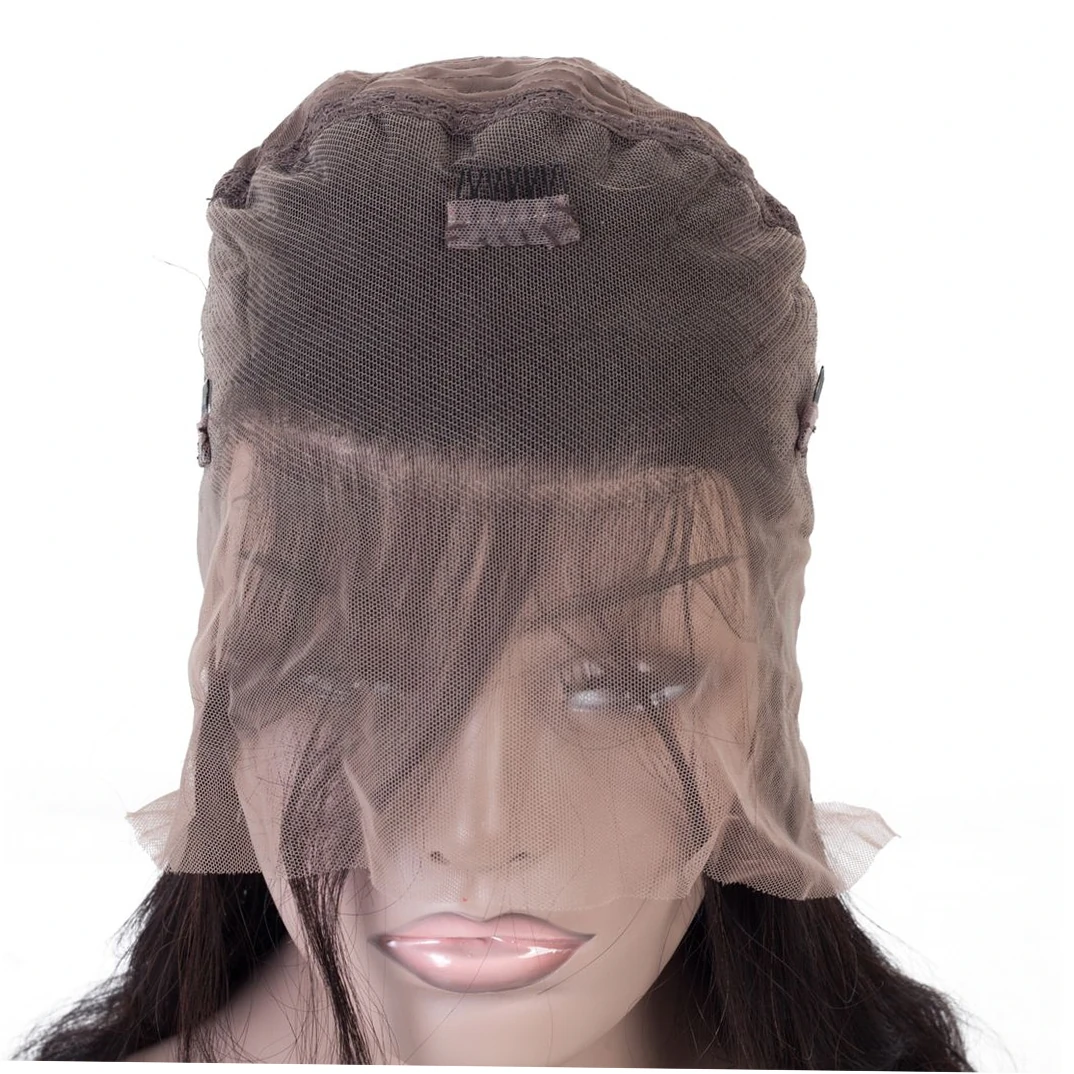
The most common failure is water that’s too cool. If you can comfortably hold your hand in the bath, the dye is not working — it needs a near-simmer, and no amount of extra time or extra dye compensates for a lazy temperature. Overheating is the opposite trap: it fuses curls and mats the fiber permanently.
Bleed, Parting, and Section Control
Multi-tone designs live or die on section discipline. Part the wig cleanly, wrap each dyed section in foil while the next one cooks, and rinse each chunk separately before it touches the rest. Symmetry matters more than most people expect, so I clip both sides before the first dip — that level of planning is what separates clean wig dyeing color changes from muddy accidents.

When the Color Goes Wrong
Rescue options exist, but they’re limited and they stack in one direction. Rit Color Remover is the first move, followed by a very hot bath with dish soap and a spoon of baking soda; color theory can nudge an unwanted green toward neutral, but only by adding more dye. Bleach is the last resort and it will damage synthetic fiber.
If the damage is confined to one streak, cut out that weft and sew in a replacement rather than risking the whole unit. I’ve done that repair on three separate Jinx builds, and it stayed cheaper than buying a fresh wig each time. Give a ruined section one honest attempt, then stop.
| Point | What the label suggests | What cosplayers actually report |
|---|---|---|
| Water temperature | Stovetop method at 200°F, hot but not boiling | Near-boiling is required; a hand-comfortable bath means failure |
| Color payoff | Dose by fabric weight | More dye needed than the chart implies; results often read muted |
| Fiber feel | Not addressed | Texture shifts after dyeing; synthetic conditioner is close to mandatory |
| Removal | Color Remover exists | Partial lightening only; bleach risks melting the strand |
| Budget wigs | Fiber-agnostic | Lower heat tolerance, so every unit needs a boil test first |
Rit Dye vs Acrylic Ink on Synthetics
Cost, Control, and Color Depth
Rit DyeMore wins on even, all-over color and cost per wig: one bottle covers a shoulder-length unit, whereas airbrushing eats through ink quickly. Acrylic ink gives pinpoint control for roots, streaks and gradients you can’t mask off, but it sits on the surface and stiffens the strand. For a full recolor I reach for dye; for detail work, ink.
| Medium | Cost per wig | Placement control | Color depth | Stiffness | Best use |
|---|---|---|---|---|---|
| Rit DyeMore | Low, roughly one bottle | Whole unit or large sections | Deep and even | Low once conditioned | Full recolors |
| Acrylic ink | Higher, thinner coverage | Pinpoint | Vivid but surface-level | Noticeable | Roots, streaks, gradients |
| Fabric marker | Lowest | Detail only | Medium | Minimal | Small touch-ups |
My rule of thumb: if more than 40% of the wig changes color, dye it; if you’re painting roots, tips or a single streak, use ink and a fine airbrush. Mixing both works well when the base is dyed first and the details are painted over a dry, conditioned unit. If you want the brush-in-hand version of this comparison, my notes on acrylic ink for synthetic wigs walk through coverage, drying time and layering.
When Buying a New Wig Beats Dyeing
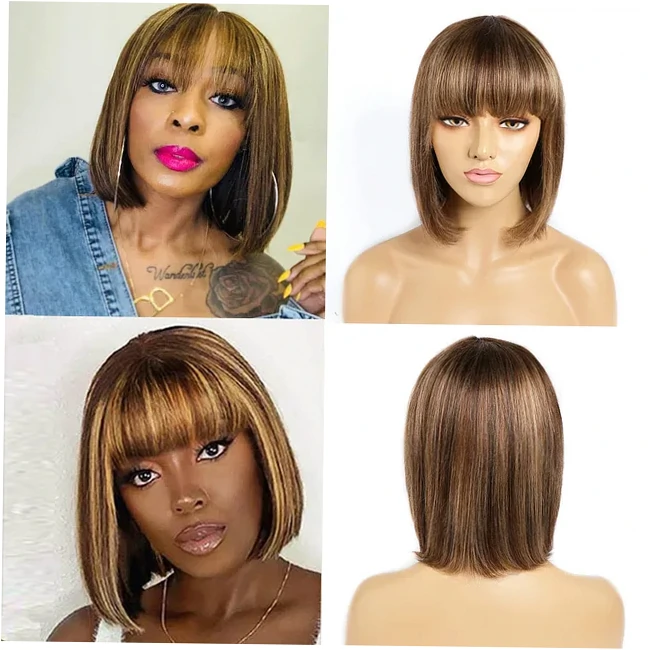
Some targets simply aren’t reachable. Synthetic fiber can’t be bleached, so a dark wig can never become a pastel one, and painting blue over blonde gives you muted teal rather than the electric aqua you’re picturing. In those cases a new base wig plus clip-in extensions costs less than the dye, the conditioner and the heartbreak.
How to Keep Dyed Wigs Wearable
Texture, Detangling, and Conditioning
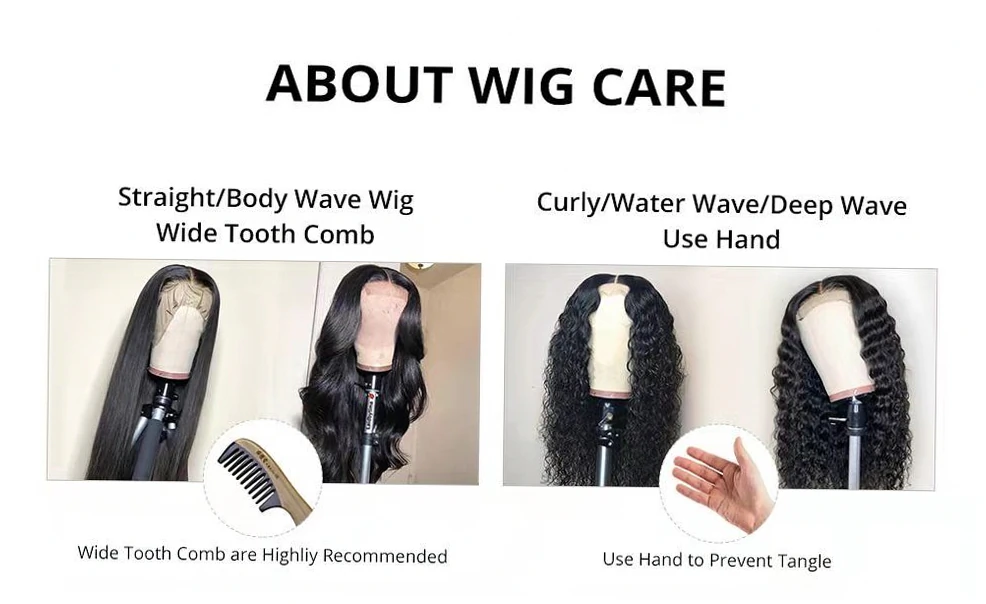
Dyeing strips the factory coating, so a freshly dyed unit feels drier than it did in the bag. I work synthetic conditioner through from mid-length to ends, let it sit five minutes, and detangle from the tips upward with a wide-tooth comb. Silicone shine spray afterwards restores slip and kills static.
Heat styling stays below the fiber’s limit — roughly 250–300°F for standard modacrylic, higher for heat-resistant lines — and always with a test strand first. Overheated fiber glazes over, refuses product, and turns your carefully dyed ombre into a crunchy, doll-like texture that no conditioner can fix.
Washing and Storing a Dyed Unit
Once the color is set and rinsed clear, dyed wigs behave like any other synthetic unit: cold water, a gentle swish, no machine, and dry flat on a towel away from direct sun. If you’re unsure how far you can push a wash, the basics of washing a synthetic wig apply unchanged after dyeing.
Before you buy a bottle, clip a test weft, log the temperature that didn’t kink it, and dye that scrap first. Ten minutes of prep saves a whole unit, and the rest is repetition — build one small gradient, then scale the exact same method to your next build instead of gambling on a fresh wig.
Rit Dye Wig Questions Cosplayers Keep Asking
Can I use regular Rit dye instead of DyeMore on a synthetic wig?
You can, but results are unreliable and usually weak. All-Purpose Dye is built around cotton, wool and silk, so on polyester or modacrylic it mostly rinses away. DyeMore Synthetic is the formulation designed for plastic fiber, and on a cosplay unit that’s the difference between a real color shift and a faint stain.
How long should a wig stay in the Rit dye bath?
Most mid-tone results land between 10 and 30 minutes at near-boiling, with agitation every few minutes. Darker targets take longer but carry more fiber damage, so repeat a shorter bath rather than soaking a wig for an hour. Check a hidden strand every five minutes and stop early rather than late.
Is Rit dye on wigs permanent, and can I remove it?
It’s effectively permanent. Dye that has penetrated under heat doesn’t wash out with normal shampoo, and Color Remover only lightens it partially. That’s the strongest argument for testing on a weft first — removal is a salvage operation, not an undo button, and the fiber rarely comes back identical.
Do I really need boiling water to dye a wig with Rit dye?
You need water as hot as your specific fiber can survive, which is usually just below a simmer and sometimes lower for inexpensive wigs. The hand test is a fast reality check: if the bath is comfortable to touch, the polymer hasn’t opened and the dye isn’t bonding, no matter how long you wait.
Can I dye a dark wig a lighter color with Rit dye?
No. Dye adds color and never lifts existing pigment, and synthetic hair can’t be bleached without melting or frying the strand. Going lighter means starting from a pale blonde or white base, or buying a unit that already sits in the color family you’re aiming for.
How much dye does one cosplay wig actually need?
Budget more than the fabric-weight chart suggests, because modacrylic doesn’t absorb like cotton. A shoulder-length unit typically takes half to two-thirds of a bottle for a saturated result, and pastel targets can use less. Buy a spare bottle, since matching a half-used batch later is almost impossible.
Does dyeing change how a wig styles afterwards?
Yes, and you should plan for it. The fiber loses its factory coating and feels rougher, so heat tools need lower settings and more patience. Conditioning after every wash restores most of the slip, and most units style normally again once they’re properly conditioned and fully detangled.